How to Manage Bleeding After Wisdom Teeth Removal
@emilianophnn981
October 27, 2026 · 15 min read
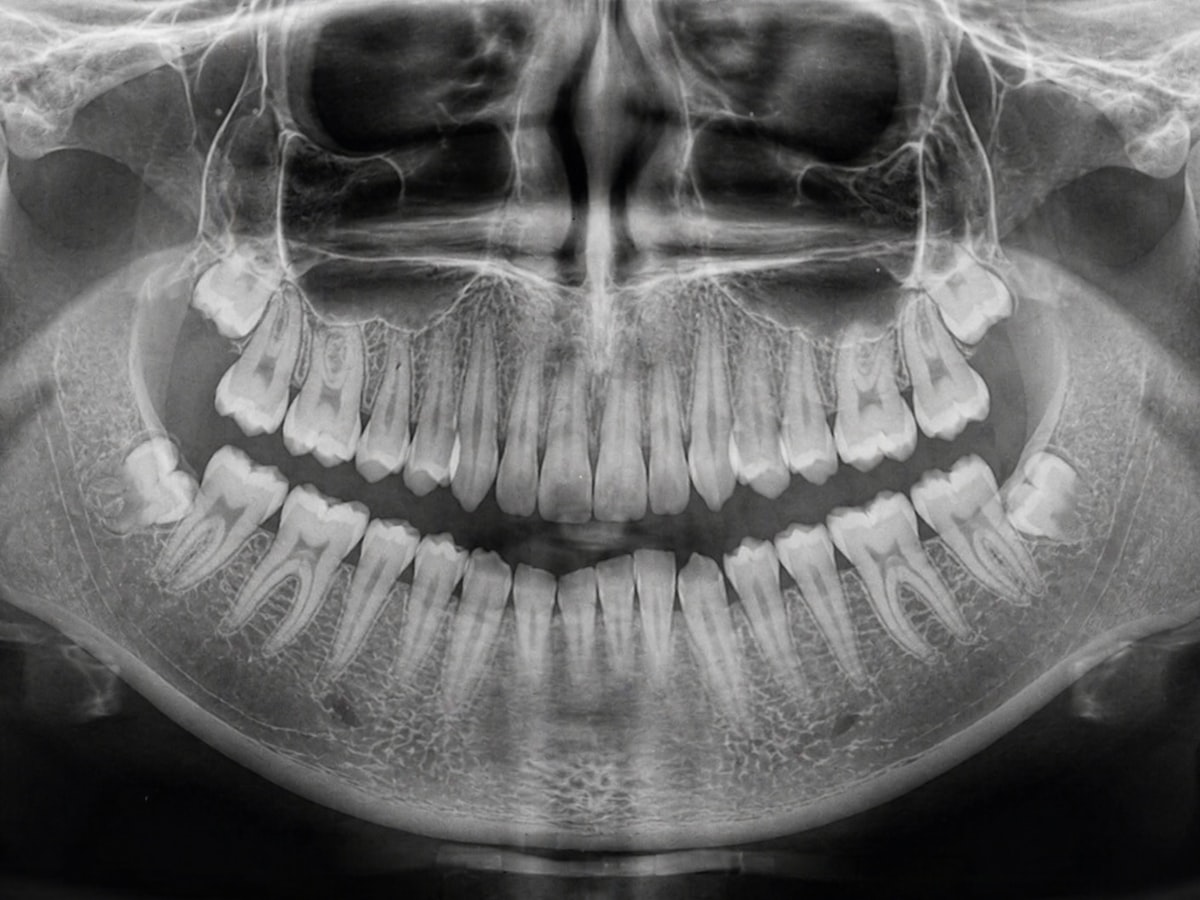
Bleeding after wisdom teeth removal worries almost everyone the first time they see it. That reaction is understandable. The taste of blood, the pink saliva, the pressure from the extraction site, it can all feel dramatic, especially once the numbing medicine starts to wear off. In most cases, though, some bleeding and oozing are normal for several hours after surgery, and a small amount can continue off and on into the first day.
The key is knowing the difference between expected oozing and bleeding that needs more attention. Good aftercare is not complicated, but it does depend on timing, pressure, and avoiding a few common mistakes that disrupt the blood clot. When patients run into trouble, it is often because they changed gauze too quickly, talked too much on the way home, spit repeatedly, or tried to inspect the area every few minutes. Those habits can keep a socket from sealing.
Managing post operative bleeding well comes down to three things: steady pressure, patience, and protection of the clot. If you understand why the socket bleeds and what helps it stop, the whole process becomes much less stressful.
What is normal after wisdom teeth removal
When a wisdom tooth is removed, the body responds by forming a blood clot inside the socket. That clot is not just a scab in the usual sense. It acts like a seal and a foundation for healing tissue. During the first several hours, blood mixes with saliva, so the amount often looks greater than it really is. A little red on the gauze is expected. Pink saliva is expected. Even a slight metallic taste can be expected.
What usually concerns people is the slow, persistent ooze. A patient may think, “I am still bleeding,” when the mouth is mostly producing saliva tinged with small amounts of blood. True heavy bleeding behaves differently. It tends to soak gauze quickly, fill the mouth with bright red blood, and continue despite firm pressure.
Many oral surgeons tell patients that the first 24 hours are about clot protection, not checking the socket. That is good advice. The more you pull the lip or cheek aside to look, the more likely you are to disturb the area. A socket can appear dark red, almost black, and still be healing normally.
Why bleeding continues longer in some people
Not all wisdom teeth removals are the same. A simple extraction of a fully erupted tooth usually causes less bleeding than removal of an impacted tooth buried in gum and bone. Surgical difficulty matters. So does your own body.
People often bleed a bit longer if they have high blood pressure, take blood thinners, use aspirin regularly, or have inflamed gum tissue around a partially erupted wisdom tooth. Smoking can also complicate early healing. So can vigorous rinsing, drinking through a straw, heavy exercise, or lying flat immediately after surgery.
I have seen patients become alarmed because they were still getting pink saliva at bedtime, only to learn they had spent the afternoon talking, walking around stores, and sipping iced coffee through a straw. None of those choices seem dramatic in the moment, but together they can keep the socket from settling down.
The first thing to do when bleeding seems active
The most effective first step is simple, and it works best when done correctly rather than repeatedly. Fold clean gauze into a thick pad, place it directly over the extraction site, and bite down with firm, even pressure. Not chewing pressure, not testing pressure, just a steady, sustained bite.
Use this sequence:
- Place fresh gauze over the surgical area and bite down firmly for 30 to 45 minutes.
- Stay seated upright, keep your head elevated, and avoid talking during that time.
- If the gauze is soaked, replace it once and repeat the same pressure for another 30 to 45 minutes.
- If gauze is unavailable, a slightly damp black tea bag can sometimes help because the tannins may support clotting.
- If bright red bleeding continues despite two well done rounds of pressure, call your oral surgeon.
The biggest mistake here is changing gauze every five or ten minutes to “check progress.” That interrupts clot formation over and over. It is much better to leave the gauze alone for the full interval. Think of pressure as treatment, not as a test.
Tea bags deserve a quick explanation because patients hear mixed advice. A plain black tea bag, lightly moistened and wrapped in clean gauze if desired, can be useful in some cases of mild continued oozing. It should not be hot, flavored, or herbal. And it is not magic. It is a backup when standard pressure has not fully worked, not a substitute for contacting your surgeon if bleeding is truly persistent.
How much blood is too much
There is no perfect household measurement, because blood looks dramatic in the mouth. Saliva spreads color quickly. A tablespoon of blood can seem like much more once it is mixed with saliva in a sink. That said, some patterns are more concerning than others.
If you are changing fully saturated gauze every half hour for several hours, that is more than routine oozing. If blood is flowing rather than seeping, if you are swallowing large amounts of it and becoming nauseated, or if there is no response at all to firm pressure, that deserves a call to the surgeon’s office. If the office is closed and bleeding is substantial, an urgent care or emergency Wisdom Teeth Removal department may be appropriate, especially for someone with a known bleeding disorder or who takes anticoagulants.
Dizziness, weakness, racing heart, or shortness of breath should not be brushed off as nerves if bleeding is ongoing. Those symptoms shift the situation out of the “watch and wait” category.
The role of gauze, and how people accidentally make it less effective
Gauze helps because it provides compression right over the socket. It does not stop bleeding by absorbing everything away. In fact, very dry gauze can adhere to the clot if left too long, and rough removal can pull healing tissue loose. That is one reason surgeons usually recommend changing it only as needed and not sleeping with gauze in the mouth.
Placement matters too. Patients sometimes put gauze in the cheek instead of over the extraction site. That soaks up saliva but does little for pressure. For lower wisdom teeth, the pad needs to sit back over the molar area so the upper and lower teeth can compress it. For upper wisdom teeth, placement can feel less obvious, but the same principle applies.
A common scene in recovery rooms is a patient saying the bleeding will not stop, while holding the mouth slightly open and gently nibbling on a tiny piece of gauze. Once the gauze is folded thick enough and the bite is firm, the situation often improves within an hour.
What to avoid during the first 24 hours
Most bleeding setbacks come from suction, agitation, heat, or increased blood pressure. Protecting the clot is less about doing something special and more about not undoing what your body is already trying to do.
Keep these restrictions in mind:
- Do not spit forcefully, rinse vigorously, or use a straw.
- Do not smoke or vape, ideally for at least 72 hours, and longer is better.
- Do not exercise, lift heavy weights, or do strenuous yard work the same day.
- Do not drink alcohol or very hot beverages during the early healing period.
- Do not keep poking the socket with your tongue or fingers.
The tongue deserves special mention. Almost everyone touches the area without realizing it. That repeated pressure can irritate the tissue and make minor bleeding restart. If you notice yourself doing it, redirect your attention and let the area alone.
Positioning, rest, and why “take it easy” is not lazy advice
After wisdom teeth removal, staying upright for a while genuinely helps. Gravity reduces pooling and pressure in the surgical area. If you lie flat too soon, oozing can seem worse. A slightly elevated head when resting, especially during the first evening, is a sensible move.
Patients who feel good often overestimate how healed they are. I have heard plenty of versions of the same story: surgery in the morning, back to errands by afternoon, then a call in the evening because the mouth started bleeding again. The body interprets physical activity as a demand for circulation. That can challenge a fresh clot.
This is one of those moments where conservative behavior pays off. Quiet rest for the first day can spare you hours of frustration later.
Eating and drinking without restarting the bleeding
The first meal after surgery should be boring. That is not a punishment, it is a strategy. Cool or room temperature foods are generally better than hot foods right away. Yogurt, applesauce, pudding, smoothies eaten with a spoon, mashed potatoes once you are ready, scrambled eggs when chewing feels safe, these are typical options. The exact menu matters less than the texture and temperature.
Hot soup can increase bleeding early on, not because soup is inherently risky, but because heat encourages blood flow. Crunchy foods are another problem. A sharp chip fragment or toast crust can scrape the site, and small food particles can become trapped. Spicy foods can sting and make the whole area feel more inflamed than it is.
Hydration matters. A dry mouth feels worse and can make blood appear thicker and darker. Sip water gently. Do not chug. Do not use a straw. That small suction force causes more trouble than many people realize.
When the blood clot matters more than the blood itself
People tend to focus on the visible bleeding, but the real goal is preserving the clot. Once that clot stabilizes, active bleeding usually fades. If the clot is repeatedly disturbed, healing slows and the risk of dry socket rises.
Dry socket is not simply “more bleeding.” It is often the opposite. The clot dislodges or breaks down, leaving exposed bone and a deep, throbbing pain that usually appears a few days after extraction. The lesson is useful here, because many of the same precautions that reduce bleeding also reduce dry socket risk.
That is why surgeons are strict about no smoking, no forceful rinsing, and no straws. Patients sometimes think these warnings are generic. They are not. They address the specific mechanics that can pull a clot out of a fresh extraction site.
Medications and medical conditions that can change the picture
If you take aspirin, warfarin, apixaban, rivaroxaban, clopidogrel, or another medication that affects clotting, your surgeon should already know before surgery. Even so, it is worth mentioning because post operative instructions may vary. Some patients are told not to stop their blood thinner. Others follow a physician guided plan. The correct approach depends on why the medication was prescribed and what level of bleeding risk is acceptable.
Over the counter pain control matters too. Many patients can safely use ibuprofen after dental surgery, and it is commonly recommended because it helps with inflammation. But individual advice differs, especially for people with stomach ulcers, kidney disease, certain heart conditions, or other medication interactions. Follow the instructions given by your surgeon rather than borrowing someone else’s plan from the internet.
High blood pressure can also contribute to stubborn oozing. A patient who is anxious, in pain, and moving around a lot may see more bleeding than someone resting calmly with good pain control. Treating discomfort on schedule, rather than waiting until pain spikes, often helps indirectly.
Bleeding overnight, and what to do if you wake up worried
Nighttime tends to magnify concern. The room is quiet, the mouth tastes metallic, and a small amount of blood on the pillow can look alarming in the morning. Some blood tinged drooling the first night is not unusual, especially if lower wisdom teeth were removed and there is residual numbness.
Before bed, make sure the socket is not actively bleeding, remove any gauze, and sleep with your head slightly elevated on an extra pillow. If you wake with oozing, sit upright, place fresh gauze, and use the same firm pressure routine rather than pacing around the bathroom sink. Bright bathroom lights and repeated rinsing usually make the episode feel worse than it is.
Do not sleep with loose gauze in your mouth. That is a choking risk. It is a point worth stating plainly because anxious patients sometimes consider it.
Salt water rinses, but only when the timing is right
A gentle salt water rinse can be helpful later, usually starting the day after surgery unless your surgeon gives different instructions. The word gentle matters. This is not a vigorous swish. It is more like tilting the liquid around the mouth and letting it fall out passively.
Done too soon or too forcefully, rinsing can restart bleeding. Done at the right time, it helps keep the area cleaner and may soothe irritated tissue. If the socket starts oozing a little after a rinse on day two or three, that can still be normal, especially if the rinse was warmer than expected or a bit too enthusiastic. Usually, the answer is to back off, use less force, and give it time.
Special situations that deserve a quicker call
Most post extraction bleeding settles with pressure, but some situations call for earlier contact. Multiple extractions can create more surface area and more confusion about where the blood is coming from. Lower wisdom teeth with difficult impactions can ooze longer than simple upper extractions. Patients with liver disease, clotting disorders, anemia, or a history of heavy surgical bleeding should be more cautious.
If you were given sutures, a little blood collecting around them can be normal. If a suture comes loose, it does not always mean the site is in danger, but paired with active bleeding it is worth reporting. Similarly, if the blood has a bad odor, the swelling is rising quickly, or fever is developing, you may be looking at more than simple post operative oozing.
Children and teenagers often recover smoothly, but they can be less reliable about not spitting, swishing, or trying to peek at the site. Adults tend to make a Wisdom Teeth Removal different mistake, they push through recovery and resume normal activity too quickly. Neither pattern is unusual.
A practical way to judge progress over the first day
A useful question is not “Is there any blood?” but “Is there less than before?” Early recovery should trend in the right direction. The gauze changes should become less dramatic. The saliva should shift from red to pink to mostly clear. The need for active pressure should taper off.
If the pattern improves, even slowly, that is reassuring. If it plateaus for hours with no improvement, or worsens after initial control, revisit what might be disturbing the clot. Are you rinsing, smoking, drinking hot coffee, chewing on that side, or walking around more than you realize? Small behaviors add up.
One patient once insisted her bleeding had “suddenly started again” six hours after surgery. After a few questions, it turned out she had celebrated feeling better with a burger and fries. The socket was not failing. It was being challenged by heat, chewing, and crisp food on a fresh wound. Once she returned to gauze pressure and softer foods, the bleeding settled.
When to call urgently
If you have followed the basic pressure routine properly and still see bright red bleeding that does not let up, call the surgeon. If you cannot reach anyone and the bleeding is significant, seek urgent medical care. The same goes for faintness, chest pounding, trouble breathing, or vomiting repeated amounts of blood. Sometimes patients vomit swallowed blood once and feel much better afterward, but repeated episodes deserve attention.
Trust the overall picture, not a single dramatic glance in the mirror. Oozing looks messy. True uncontrolled bleeding behaves persistently and does not respect good pressure.
The bottom line on bleeding after wisdom teeth removal
Bleeding after Wisdom Teeth Removal is common, but uncontrolled bleeding is not. In the typical case, what you are seeing is a mix of saliva and slow oozing from a fresh surgical site, not a dangerous blood loss event. The best response is calm, sustained pressure with properly placed gauze, an upright position, and a quiet first day that protects the clot.
Most setbacks trace back to avoidable causes: spitting, suction, smoking, hot drinks, exercise, or repeated checking. If you give the tissue a stable environment, the body usually does the rest. And if the bleeding does not respond the way it should, that is exactly what your oral surgeon is there for. Calling early is better than spending hours anxious and improvising.
Oxnard Dentistry
1730 E Gonzales Rd, Oxnard, CA 93036, United States
+1 805-307-8731
FAQ About Wisdom Teeth Removal
How painful is it to remove a wisdom tooth?
Local anesthetic numbs the area during extraction. Pressure may still be noticeable; tell the dentist if you feel pain. Soreness and swelling afterward are common. Follow the pain-control instructions provided for your situation.
How long is recovery for wisdom teeth extractions?
Recovery varies with the tooth position and complexity of the extraction. Some people resume routine activities quickly, while others need several days of rest. Soreness, swelling and jaw stiffness can last up to two weeks. Follow your clinician's aftercare and activity advice.
What are the risks of wisdom tooth removal?
Possible complications include dry socket, infection, persistent bleeding and changes in sensation from nearby nerve injury. Your dentist or oral surgeon should explain your individual risks before treatment. Seek prompt dental advice for bleeding that will not stop, fever, or severe or worsening pain and swelling.