The Most Common Reasons for Wisdom Teeth Removal
@emilianophnn981
October 27, 2026 · 15 min read
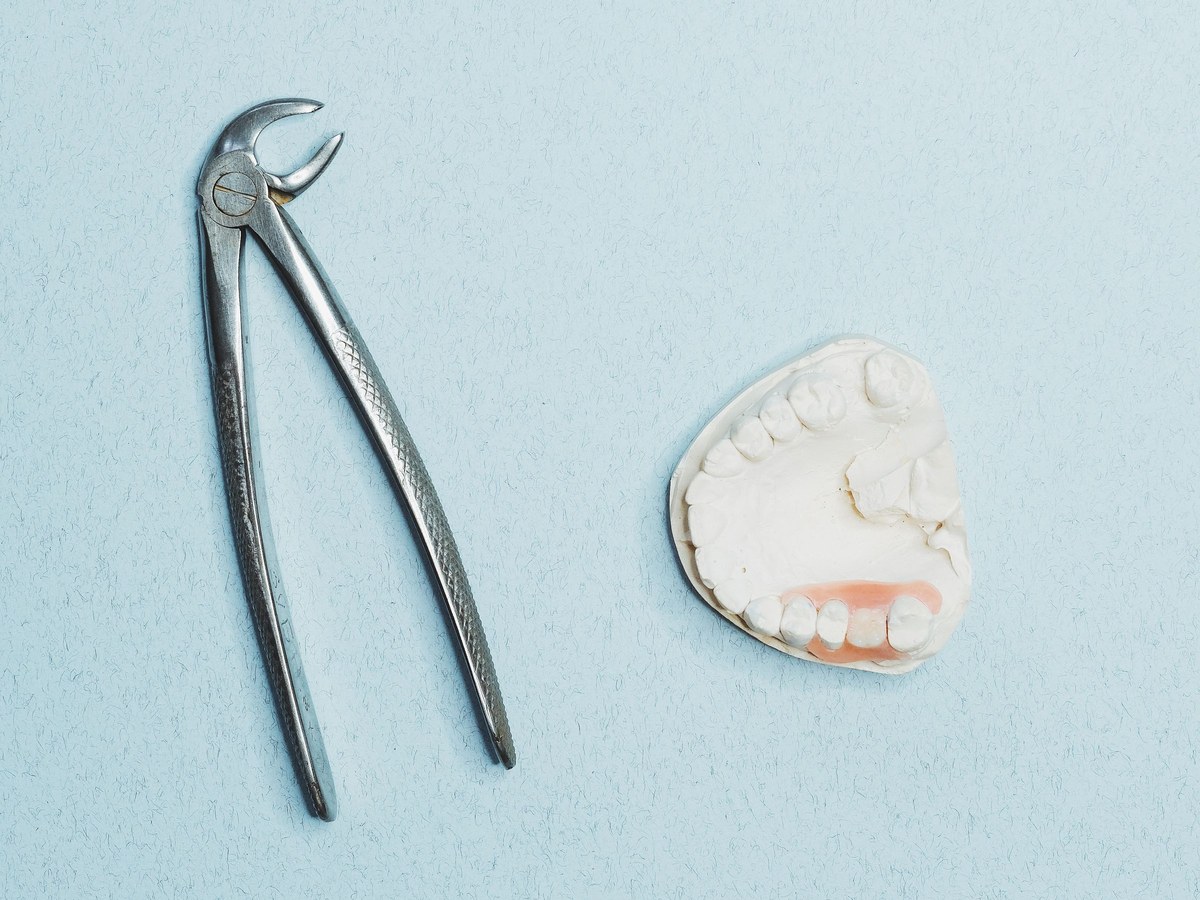
Wisdom teeth have a way of sounding more dramatic than they are, right up until they start causing trouble. By the time most people hear they may need them out, they are often already dealing with pain, swelling, repeated infections, or a nagging sense that something is not right in the back of the mouth. In practice, wisdom teeth removal is rarely about taking out healthy teeth for no reason. More often, it is a measured response to predictable problems that tend to show up when there simply is not enough room for these last molars to erupt properly.
Wisdom teeth, also called third molars, usually appear in the late teens or early twenties. Some people never develop all four. A few are lucky enough to have wisdom teeth that come in straight, function well, and stay easy to clean. Those cases exist, but they are not the norm in many dental offices. Human jaws today are often too small to accommodate four extra molars at the very back. When that happens, the result can be partial eruption, impaction, crowding, decay, gum disease, or damage to neighboring teeth.
The common reasons for Wisdom Teeth Removal are not mysterious once you understand what these teeth are up against. Their position makes them difficult to monitor, difficult to clean, and difficult to treat conservatively when problems start. A cavity on a front tooth can usually be filled without much fuss. A badly angled wisdom tooth buried under gum tissue is a different story altogether.
Why wisdom teeth cause so many issues
Third molars are the last permanent teeth to emerge, which means they arrive when the mouth is already full. Earlier molars and premolars have long since claimed their space. If there is not enough room for the wisdom teeth to erupt into a normal position, they may stay trapped in the jawbone, emerge only partway, or push against nearby teeth at awkward angles.
That location matters. The farther back a tooth sits, the harder it is for a person to brush and floss effectively. Even patients with excellent oral hygiene can struggle to keep the area clean, especially when a tooth is partially covered by gum tissue. Food debris and bacteria collect, inflammation follows, and small problems become recurrent ones.
Age also plays a role. Younger patients generally recover more smoothly from wisdom teeth removal than older adults. The roots may be less fully formed, the bone is often less dense, and healing tends to be faster. That is one reason dentists and oral surgeons often raise the issue before symptoms become severe. It is not a rush to surgery for its own sake. It is a question of timing and risk management.
Impaction is one of the leading reasons
The most common reason wisdom teeth are removed is impaction. An impacted wisdom tooth is one that cannot erupt fully into a normal functional position. It may be trapped under the gum, encased in bone, or tilted against the tooth in front of it.
Not all impacted teeth hurt right away. In fact, many are discovered on routine X rays before the patient feels anything at all. That can make the recommendation to remove them seem surprising. But impacted wisdom teeth carry well-known risks even when they are not currently painful.
A tooth that is angled forward into the second molar can create a pressure point where food and bacteria collect. Over time, that can damage the neighboring tooth, sometimes in a way that is hard to repair. If the wisdom tooth remains buried, it can still be associated with cyst formation or chronic low-grade inflammation. These problems are not daily occurrences in every patient, but they are common enough that clinicians pay close attention to impacted third molars.
There are several patterns of impaction. Some wisdom teeth lean toward the front of the mouth. Others angle backward, remain vertical but fail to erupt, or lie sideways. The exact position affects both the likelihood of future problems and the complexity of surgery. A mildly impacted upper wisdom tooth is a very different case from a deeply buried lower one sitting close to a nerve canal.
From a practical standpoint, impaction matters because the tooth is not functioning normally and often never will. A tooth that cannot emerge correctly is not adding useful chewing power. It is simply occupying a problematic space.
Repeated gum infections around a partially erupted tooth
One of the most uncomfortable and common reasons for Wisdom Teeth Removal is a condition called pericoronitis. This happens when a wisdom tooth breaks through the gum only partway, leaving a flap of gum tissue over part of the chewing surface. That flap becomes a trap for bacteria, food particles, and plaque. The area swells, grows tender, and may become acutely infected.
Patients usually describe this as soreness in the back of the jaw, pain when biting down, bad taste, bad breath, or difficulty opening the mouth fully. Sometimes the discomfort radiates toward the ear or throat. In more significant cases, the swelling can extend into the cheek, and the lymph nodes under the jaw may become tender.
The frustrating part is that these infections can improve, then return. A course of rinses, antibiotics, or local cleaning may settle things temporarily, but if the tooth remains partially erupted, the anatomy that caused the infection has not changed. That is why recurrent pericoronitis often leads to removal. The goal is not merely to treat the latest flare-up, but to eliminate the structure that keeps inviting new ones.
This pattern is especially common in lower wisdom teeth. The gum tissue over the back of a lower third molar is vulnerable to trauma from the upper tooth biting into it, which adds irritation to the bacterial burden already present. Once someone has had two or three episodes, the decision becomes much more straightforward.
Tooth decay that is hard to treat well
Cavities in wisdom teeth are another major driver of removal. This may sound simple, but the reality is more nuanced. Dentists do not automatically remove every wisdom tooth with decay. The question is whether the tooth is accessible enough, healthy enough, and useful enough to justify restoration.
A small cavity in a fully erupted wisdom tooth that sits straight and can be cleaned may be treatable. Those cases exist. The challenge is that many wisdom teeth are not positioned favorably. They may be partly erupted, rotated, leaning into the second molar, or tucked so far back that placing a reliable filling becomes difficult. Even if a filling can technically be done, keeping the area dry enough and the margins clean enough for long-term success may be questionable.
There is also the issue of durability. If a patient already struggles to clean around that tooth, restoring it does not solve the underlying risk. A new filling placed in a nearly inaccessible area may fail, decay may return, and the patient ends up needing the tooth removed later anyway. In that setting, removal is often the more predictable option.
Sometimes the more serious problem is not the wisdom tooth itself, but the cavity it creates on the second molar in front of it. When a partially impacted wisdom tooth presses against the second molar, it can foster decay in a spot that is hard to detect and harder to repair. Losing a wisdom tooth is one thing. Damaging a healthy second molar, a tooth with real chewing value, is a much bigger concern.
Damage to the neighboring molar
This is a point that often changes the conversation. Many patients assume the wisdom tooth is the only tooth at risk. In reality, the tooth in front of it may be more important and more vulnerable.
A second molar is a key functional tooth. It helps with chewing, it usually aligns well with its opposing tooth, and it is generally worth preserving whenever possible. If an impacted or partially erupted wisdom tooth causes decay, bone loss, or root damage to that second molar, the long-term consequences can be more significant than the loss of the wisdom tooth itself.
X rays sometimes show a wisdom tooth pushing against the back root of the second molar. In some cases, this can contribute to resorption, a process where the root structure starts to break down. In others, it creates a pocket where bacteria settle, leading to periodontal damage or decay. These are not always painful at first, which is why imaging and regular examinations matter.
Clinically, this is one of the strongest reasons to recommend removal even when the wisdom tooth is not currently causing dramatic symptoms. Protecting a useful molar often takes priority over trying to hold onto a poorly positioned third molar with limited long-term value.
Crowding and orthodontic concerns
Patients often hear that wisdom teeth cause front teeth to become crooked. This is one of the more debated topics in dentistry, and it deserves a careful explanation rather than a simple yes or no.
Wisdom teeth are not universally accepted as the sole cause of lower front crowding after braces. Teeth can shift over time for several reasons, including natural age-related changes, growth patterns, bite forces, and periodontal factors. So it would be too strong to say that every case of crowding comes from wisdom teeth.
That said, wisdom teeth can contribute to pressure and instability in some mouths, especially when space is already tight. More often, orthodontists are concerned that impacted or erupting third molars may complicate the maintenance of an already crowded arch, make hygiene worse, or interfere with planned tooth movement and retention.
A patient finishing orthodontic treatment may be advised to have wisdom teeth evaluated not because they are guaranteed to undo the results, but because they represent a variable with downside and limited benefit. In a mouth where space is clearly lacking, removing problematic third molars can simplify the long-term picture.
This is an area where individualized judgment matters. A straight, fully erupted, functional wisdom tooth is different from a lower third molar angled into the second molar in a patient with a history of crowding and difficult oral hygiene.
Cysts and other pathology, less common but important
Most wisdom teeth do not develop serious pathology, but when problems such as cysts arise, removal becomes much more urgent. A cyst can form around the crown of an unerupted tooth and gradually expand. Left unchecked, it may damage surrounding bone or affect adjacent teeth.
These findings are often discovered on dental imaging rather than because a patient noticed obvious symptoms. Early cysts may be silent. Larger ones can cause swelling, jaw expansion, or discomfort. Though not the most common reason for Wisdom Teeth Removal, this is one of the clearest examples of why monitoring impacted teeth matters.
There are also rare cases involving tumors or other unusual lesions associated with impacted teeth. These are not everyday occurrences, and it would be misleading to imply they are. But they are part of the reason dentists do not simply ignore buried wisdom teeth forever. Their status needs periodic review.
Pain, jaw pressure, and chronic irritation
Not every patient arrives with a dramatic infection or a striking X ray. Some simply report a recurring ache at the back of the mouth, intermittent swelling, or a pressure sensation that flares when the tooth tries to erupt further. Others notice they keep biting the gum behind their last molar, or that food packs into the area every single day.
These symptoms matter, even when they are subtle. Dentistry is not just about treating disease visible on a scan. It is also about improving function and Wisdom Teeth Removal preventing repeated low-grade irritation from escalating into larger problems.
A common scenario is the college-age patient who has occasional soreness for six months, shrugs it off during busy weeks, then ends up with a significant flare right before travel, exams, or an important event. Wisdom teeth have a habit of becoming acutely painful at inconvenient times. That does not mean every occasional twinge mandates surgery, but recurrent symptoms are a legitimate reason to consider it.
When removal is preventive, not reactive
Some of the most difficult conversations happen when wisdom teeth are not currently hurting, yet the dentist or oral surgeon still recommends removal. Patients naturally ask why a symptom-free tooth should come out. The answer often lies in the balance between present calm and future risk.
Preventive removal is usually considered when imaging shows a high likelihood of trouble, such as partial impaction, poor angulation, lack of space, close contact with the second molar, or a hygiene situation that is unlikely to improve. The logic is simple. Surgery is often easier before repeated infections, extensive decay, or damage to neighboring teeth develops.
That does not mean all quiet wisdom teeth must be extracted. Some can be monitored safely with regular examinations and periodic X rays. This is where individualized risk assessment matters more than blanket rules.
A few factors tend to shape the decision:
- The position of the tooth and whether it can erupt normally
- The patient’s age and expected healing capacity
- Evidence of harm to nearby teeth or gum tissue
- Whether the tooth can be cleaned and maintained long term
- The patient’s history of pain, swelling, or infection
Those five considerations often tell the real story better than a simple question of whether the tooth hurts today.
Cases where removal may not be necessary
It is worth saying plainly that not every wisdom tooth needs to come out. Fully erupted wisdom teeth that are straight, healthy, properly aligned with opposing teeth, and easy to clean can sometimes remain for life without causing trouble. Older adults may also have deeply impacted wisdom teeth that have stayed stable for decades and pose little practical risk. In those cases, monitoring may be more sensible than surgery.
This is especially true if removal carries added complexity, such as roots close to the lower alveolar nerve or sinus involvement in the upper jaw. The decision is always a balance of benefits and burdens. Good dentistry is rarely one-size-fits-all.
Still, genuinely trouble-free wisdom teeth are not the same as wisdom teeth that are only quiet for the moment. The distinction comes from examination, imaging, and clinical judgment, not guesswork.
What patients should expect when the decision is made
Once Wisdom Teeth Removal is recommended, most patients want to know whether they have time to plan or whether the issue is urgent. In many cases, there is room to schedule the procedure thoughtfully. If there is active infection, severe pain, swelling, or damage to another tooth, the timeline may move faster.
The procedure itself varies depending on the tooth position. A fully erupted tooth may be removed much like any other extraction. An impacted tooth often requires a surgical approach, which can include opening the gum, removing some surrounding bone, and sectioning the tooth into pieces for safer removal.
Recovery also varies. Younger patients often bounce back within several days, though soreness and swelling may last longer. Deep lower impactions generally produce more postoperative discomfort than simple upper extractions. Most people do best when they prepare well, clear their schedule, and follow aftercare carefully, especially during the first 48 to 72 hours.
For many patients, the strongest sign that removal was the right call comes a few months later. The repeated gum swelling is gone. The awkward food trap is gone. The lingering anxiety about a tooth that keeps causing trouble is gone. In that sense, wisdom teeth removal is often less about losing a tooth and more about removing a recurring source of risk.
The underlying pattern behind most recommendations
If there is one thread connecting the most common reasons for wisdom teeth removal, it is this: these teeth often create more problems than value. They erupt late, in a cramped space, in an area that is difficult to clean and difficult to treat conservatively once disease starts. That combination is why impacted third molars, recurrent infections, decay, damage to neighboring teeth, and chronic irritation show up so often in real clinical practice.
The best decisions are rarely driven by fear or by habit. They come from a careful look at anatomy, symptoms, hygiene, age, and long-term consequences. When wisdom teeth are healthy, functional, and maintainable, they may be left alone. When they are impacted, repeatedly inflamed, decayed, or threatening a more important molar, removal is often the most sensible and preventive path.
That is the practical truth behind so many recommendations. Wisdom teeth are not removed because they are called wisdom teeth. They are removed because, in a large number of mouths, they become a predictable source of trouble.
Oxnard Dentistry
1730 E Gonzales Rd, Oxnard, CA 93036, United States
+1 805-307-8731
FAQ About Wisdom Teeth Removal
How painful is it to remove a wisdom tooth?
Local anesthetic numbs the area during extraction. Pressure may still be noticeable; tell the dentist if you feel pain. Soreness and swelling afterward are common. Follow the pain-control instructions provided for your situation.
How long is recovery for wisdom teeth extractions?
Recovery varies with the tooth position and complexity of the extraction. Some people resume routine activities quickly, while others need several days of rest. Soreness, swelling and jaw stiffness can last up to two weeks. Follow your clinician's aftercare and activity advice.
What are the risks of wisdom tooth removal?
Possible complications include dry socket, infection, persistent bleeding and changes in sensation from nearby nerve injury. Your dentist or oral surgeon should explain your individual risks before treatment. Seek prompt dental advice for bleeding that will not stop, fever, or severe or worsening pain and swelling.